Whole.


For the past four years, I have felt like there were two ‘me’s.’

There was the me that always was—

the one who was quiet but kind,

overthought everything I said,

craved time alone more than company.

The one who held more space for others’ opinions

than for my own thoughts about who I was.

I lacked boundaries,

yet kept everyone at a distance—

never sure how to protect myself

without shutting the world out.

I was exhausted and anxious,

trying to always know better,

please everyone,

be everything I thought I should be.

But then I moved—

to a country where nobody knew this “me.”

Without the weight of old expectations,

I saw myself more clearly than ever before.

With no familiar voices telling me who I was, 

I finally began to listen to myself.

And slowly, a new “me” began to emerge.

The me who is brave and soft,

who speaks with intention rather than perfection.

The one who craves quality time with the people I love,

and leaves with a smile on my face.

The one who looks inward for guidance

and accepts that not everyone will like what I find there.

I no longer keep people at arm’s length.

I let them see me, the real me—because now, I see myself too.

I am still kind, and sometimes quiet,

but now with strength and purpose.

I surprise myself with my resilience.

I have found a greater love for myself,

and through this, a greater capacity for loving others, too.

I feel overwhelming joy—

when I do yoga in the sunshine,

cook dinner for my friends,

sip coffee with my roommates,

laugh as I practice a new language.

I feel deep sadness, too—

when I go through a breakup,

miss my family back home,

feel lonely, or overwhelmed,

and sometimes for reasons I do not know.

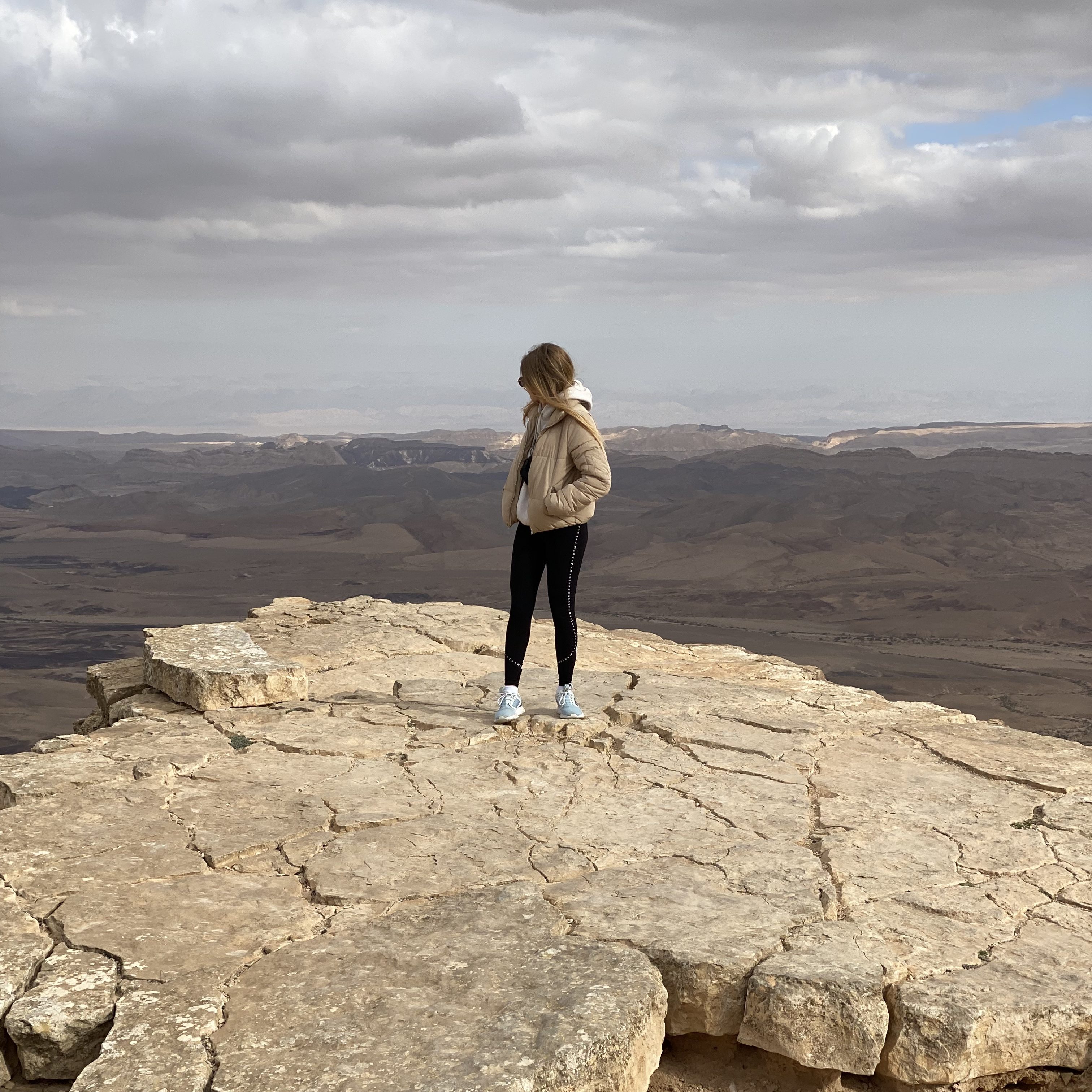
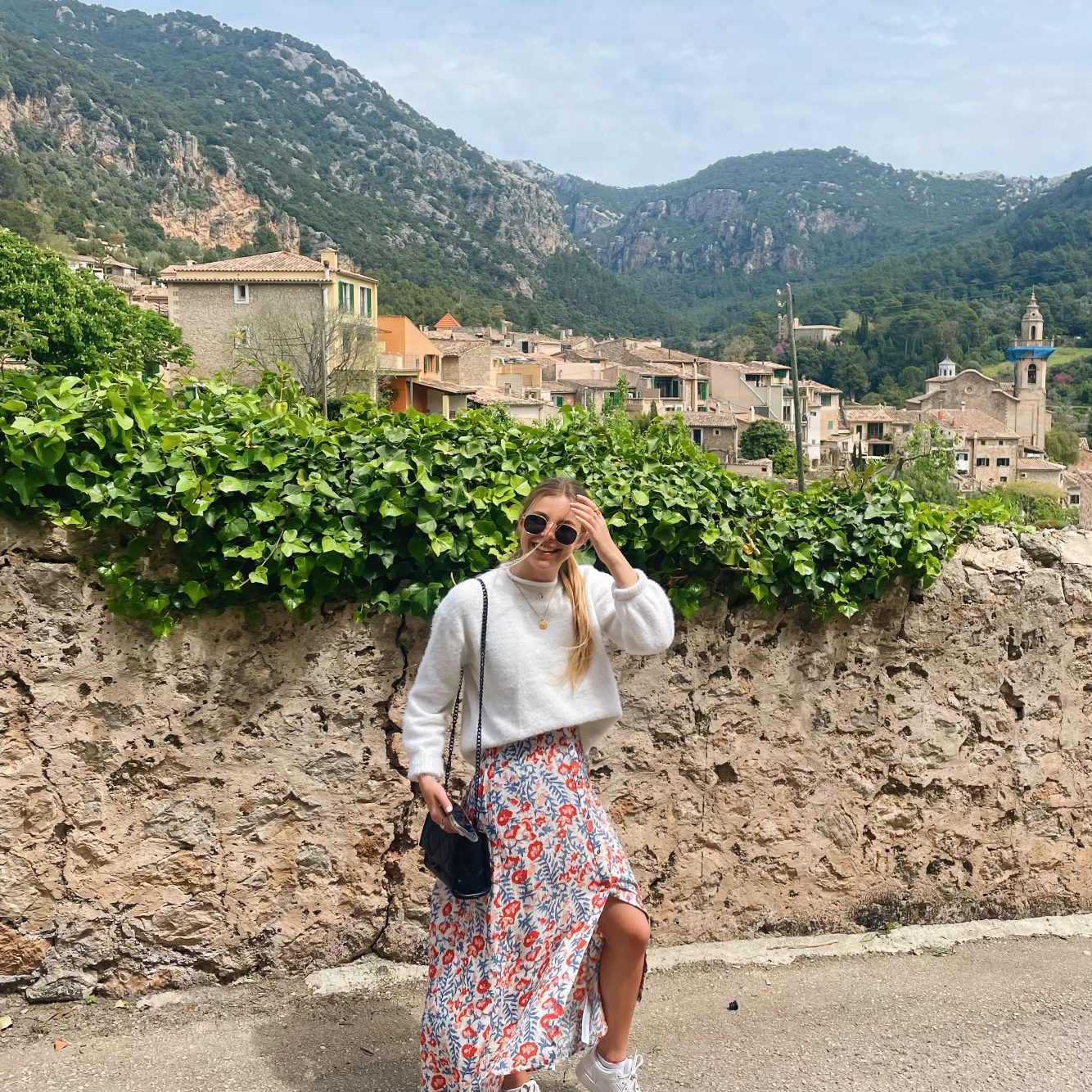
For a long time, I believed that only the old me could exist in New York,

and the new me belonged to Israel.

As if I had to choose between them,

as if I could only be whole in one place.

But I see now that both have always been within me.

It was never about where I was—

it was about standing strong in who I am.

And once I did, the new me could exist anywhere.

When I say I have learned to love myself, 

I mean all of it.

The joyful, the sad, the excited, the heartbroken,

the strong, the fearful, the passionate—me

It was only once I accepted this—

that to love myself fully means one part is not more “me” than the other—

that I stopped feeling like there are two of me.

Wherever I am, whoever I’m with, whatever I feel—

I am whole

Because I am me.


Written by Jessica Bard.


The fear of being happy.

“It’s everything I’ve always wanted, and now I finally have it—but I’m afraid.”

With so many years—generations, even—between us, it’s hard to believe that the very thing I’ve been grappling with recently is exactly what my grandmother just said to me through the phone.

Things in my life were going well. Like, really well…almost too well. But as every piece of my life felt like it was falling into place, how did I feel? Terrified. I was utterly terrified of being so blissfully happy.

Was I really so scared of being happy, though?

No.

I was afraid of losing it.

I thought of the times I lost people, relationships, things that seemed “too good to be true.” I thought of the times I felt blindsided or empty when they were taken from me. I thought of how much it hurts to know what it’s like to feel pure joy, excitement, and love, only to lose it in the end.

So this time, my brain wanted to protect me. It came up with all the ways everything could blow up in my face. My brain told me to keep my guard up and close myself off from being too happy. All to prevent that pain from ever reaching me again.

By predicting any future pain I might feel, my brain might think it’s protecting me. Yet, in reality, all it’s doing is forcing me to live with pain that hasn’t even happened outside of my own mind.

And yet something far more destructive is happening when my brain does this, too. It’s preventing me from fully savoring all of the beautiful, joyful, loving moments that make life worth living. 

I like to think of my life sort of like a heartbeat. Picture the highs and lows of a line on a heartbeat monitor. It shoots up high, only to drop down low, only to go back up. Up and down. Up and down. Up and down. 

This visual helps me understand that as long as we feel joy, love and excitement, we will also feel sadness, heartbreak, and disappointment. The truth is that the more you open yourself up to good, the more you also risk a similar magnitude of pain. It’s simply the balance of life.

But the more we listen to the part of our brain trying to prevent the lows, the more we prevent the highs, too. And if you do that enough?

You’ll get a flat line. 

I don’t want to live a flat-lined life. The type of life where nothing ever truly penetrates some armor I’ve built around my heart; where everything feels just a little more dull. No—I want to experience every bit of joy, love and excitement the universe has to offer me, even if that means I feel the lows more deeply, too. 

Instead of focusing on the pain that I will inevitably face, I have to actively choose to focus on the highs of life.

After all—if pain is inevitable, doesn’t that mean joy is too?

So what choice do we have when our brains are telling us to run away and hide so that we never have to feel true pain? For this answer I’ll turn to another quote from my grandmother:

“Run with the good, and deal with the bad.”

In other words, we will stretch that joy, love, and excitement as far as it will reach. We will feel it deeply. We will revel in it. We will remember it. 

And it’s because of these highs that we will also have the strength to get through any sadness, heartbreak, and disappointment that might follow. When it reaches us, we will deal with it. We will survive it. We will grow from it. 

And when things start to look up–when that joy, love and excitement inevitably find us again–you bet we’re gonna run with it.


Written by Jessica Bard.

A Moment for Reflection.

When we invest in our personal growth journey, we usually focus our energy on learning how to be better, do better, and feel better. We strive towards abstract goals by reading self-help books, listening to podcasts, or watching videos about how to “level up” and become an even better version of who we are today. While this drive to continue learning and growing is crucial, we often miss an equally important piece of the journey.

Acknowledging and appreciating how far we’ve come. 

As we enter into the new year (and before setting new goals), I decided to give myself some time to reflect on how far I’ve come in my own journey. Instead of focusing on physical successes, I contemplated the mental and emotional progress I’ve made. I urge you to do the same. Think, meditate, journal, or talk about it–whatever feels right for you. I’ve always found my best reflections come through in my writing, so here we go.

Letting go. Wow–how this past year has taught me how to let go. I learned how to let go of control, of expectations for myself and others, of outdated visions for my future, of people and places that no longer served me. Letting go is one of the hardest things I’ve had to do, and I definitely still struggle with it, but I am able to see how much progress I’ve made. I’m not even close to being a monk practicing non-attachment, letting things go with ease and peace of mind, but I’ve certainly inched a tiny bit closer.

Trust. I never realized the lack of trust I had in myself until I finally started to develop it. I learned to trust myself so much more this year. I follow my instincts, even when it seems like no one else understands. I trust myself to take care of my body and mind because I’ve proven to myself that I will. I trust myself to get through things that seem impossible, because time and time again I surprise myself with what I can handle. I trust myself to make good decisions, and to know when to ask for help.

This next “success” may appear as a physical accomplishment, but my real pride comes from the emotional journey that got me there. This year, I gave a speech in front of a couple hundred people. 18-year-old me would’ve been horrified if you told her I would ever do that willingly–or that it was even possible for me to breathe through the nerves and enjoy it. Growing up with severe anxiety meant I “blacked out” most times I had to speak in front of people, even if it was only to raise my hand in class. Giving this speech (and actually remembering it) feels like one of the greatest triumphs because it indicates how much progress I’ve made in working through my anxiety; which I used to think I would be stuck with forever. 

When I think of personal growth and self help, these reflections are what it’s all about. Let’s make sure we celebrate the progress and the victories because this is why we do it.

Working on ourselves is a never-ending cycle of growth and pain and love and peace. The progress we make–no matter how small it may seem–is significant. If you’re doing the work to change your behaviors and thought patterns–and it’s making you a better and happier person–then I really hope you’re proud of that.

Here’s to 2023, and all the progress we’ll make (and celebrate) this year.


Written by Jessica Bard.

I’m Lonely and It’s Okay.


Loneliness. We often think about loneliness as a bad thing–something we should try to avoid at all costs. Like, god forbid we feel lonely sometimes, then we must’ve done something wrong, or there must be something wrong with us. It feels shameful to admit when we’re lonely because we think it must be our fault–that maybe we are a flawed human being. Yet, the truth is feeling lonely is part of being human.

I must admit that I have felt pretty lonely since moving back to Israel. Last year, I had distractions and obligations that kept me surrounded by people constantly. I was actually around people so much that the introvert in me was desperate for alone time. I thought living alone now would be the sanctuary I needed to decompress after a long day–but now I have entire days where I am completely alone.

It’s clear now that I’m essentially starting over this time around. Unfortunately, most of the people I had become close with last year are no longer here, and the friends I do have here work during the day…which leaves me very bored and very alone while I’m unemployed.

I never thought I would say this, but I’ve had enough time to myself. Actually, I’ve had too much. I am itching to do things and be around people whenever I can…and if you know me personally, you know how crazy it is for me to admit something like that. 

When I realized how lonely I was, I started to feel a lot of shame. I started to compare my life to everyone I saw on Instagram through the picture-perfect lens social media so kindly provides us. I started to compare my life to everyone I know here too, who had more established lives and jobs and friendships. I started to believe that there was something wrong with me because I didn’t have a lot of people in my life here. 

I didn’t want to tell anyone I was feeling this way because I was ashamed of not having it all figured out–of not having the perfect life sorted from the second I stepped off the plane (which BTW, my anxiety told me is a totally normal expectation to have for myself, and when I write it down, I do, in fact, see how totally insane it is).

The shame surrounding loneliness causes us to do everything we possibly can to avoid feeling it. When I’m feeling lonely, I find myself wanting to do things for the sake of doing them, rather than because I actually want to. Loneliness often makes us turn toward things or people we otherwise wouldn’t choose, because all we want is some resemblance of human connection. Loneliness makes people drink more than they know they should, keep unhealthy friendships for the sake of “having friends”, swipe endlessly on dating apps without actually connecting–you get the picture. We all do whatever we can to avoid feeling or seeming lonely. 

But as I finally started to explore my loneliness with curiosity, rather than judgment, I thought: What if I just sit with it? What if I just sit with the discomfort of loneliness and accept that it’s a natural part of life? That feeling lonely isn’t a judgment of my character, but simply a result of my circumstances. What if I just accepted that there is no shame in feeling lonely, or not having a lot of friends–especially when I just moved to a new place? What if I used my loneliness to get to know myself on a deeper level than I ever have before? To find out what I want my life to look like, and then intentionally build that life piece-by-piece?

I want to make it clear that I am in no way trying to glamorize the feeling of loneliness because when we are deep in the feeling, it simply sucks. There’s no better way to put it–it sucks to feel like everyone else has their lives together and I don’t. It sucks to feel like everyone else has an abundance of friends and I don’t. Feeling lonely is not fun in any way, shape, or form, and sometimes it sucks so much that all we can do is cry. 

What I am trying to say is that when I challenge myself to “zoom out” and see my situation for what it is–a girl who just made a huge change and hasn’t had much time to settle and meet people yet–I can see myself as less of a failure and more of a person that is just going through the rollercoaster of life. In my case, loneliness is a normal part of the moving-across-the-world-by-myself process. There are ups and there are downs, and that’s okay. I know that with time, things will get better; I will meet people, I will feel more settled, and I will certainly feel less lonely. 

And soon enough I’m going to be so glad I have my safe, quiet, lonely apartment to unwind in.


Written by Jessica Bard.


Did you know you could subscribe to my blog? Subscribing just means you’ll get an email when I upload a new blog–I promise not to spam you 😉

Please feel free to like and comment if this resonates with you ❤